Pakistan’s political landscape is known for shifting alliances, changing governments and intense competition among political parties. Maintaining influence over several decades requires more than electoral success; it also involves party organisation, parliamentary experience and the ability to navigate changing political circumstances.
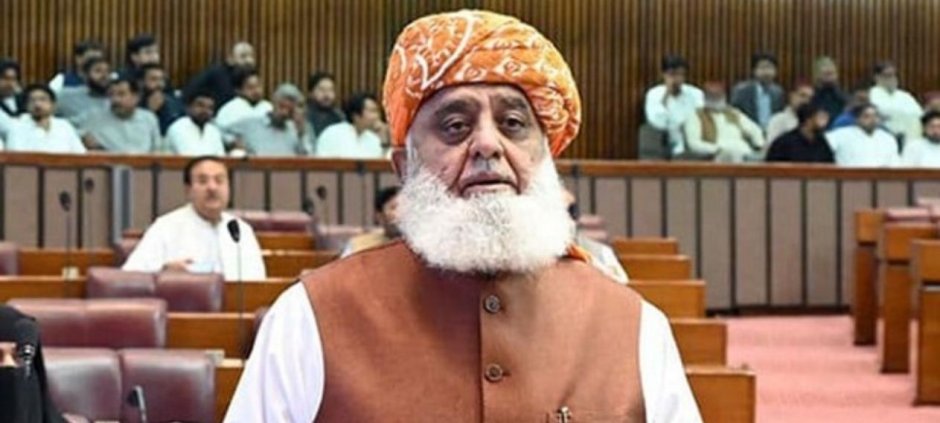
Maulana Fazlur Rehman, chief of Jamiat Ulema-e-Islam-Fazl (JUI-F), has remained an active figure in national politics for more than four decades. His career has included parliamentary leadership, opposition politics, religious-political alliances and engagement with parties holding different political positions. His supporters often point to his experience and negotiating skills, while his political journey also reflects the complexities of Pakistan’s alliance-driven political system. <Cite refs={[“turn454660search3″,”turn454660search5”]}/>
Leading a Party at the Age of 27
Fazlur Rehman entered a defining phase of his political career in 1980 following the death of his father, Mufti Mahmud, a prominent religious scholar and politician who had served as chief minister of the then North-West Frontier Province.
At just 27, Fazlur Rehman assumed a leading role in Jamiat Ulema-e-Islam. The party subsequently experienced divisions over political strategy and its relationship with General Zia-ul-Haq’s military government.
In 1981, disagreements over whether to cooperate with the regime contributed to a split within the party. The faction led by Fazlur Rehman became known as JUI-F, while another faction was led by Maulana Sami-ul-Haq. <Cite refs={[“turn454660search0″,”turn454660search3”]}/>
The division shaped the religious-political landscape for years to come. Fazlur Rehman gradually consolidated his position through party organisation, participation in elections and engagement with other political groups.
Building a Parliamentary Profile
Fazlur Rehman’s political career extended beyond religious and party leadership into parliamentary affairs.
During the 1990s, he chaired the National Assembly’s Standing Committee on Foreign Affairs under the government of Benazir Bhutto. The role brought him into discussions concerning Pakistan’s foreign policy and international relations.
He later served as Leader of the Opposition in the National Assembly from 2004 to 2007, a period during which General Pervez Musharraf remained a central figure in Pakistan’s political system. The opposition leadership position placed Fazlur Rehman at the centre of parliamentary debate and political consultations. <Cite refs={[“turn454660search1″,”turn454660search6”]}/>
These positions gave him experience in legislative affairs and political negotiation. They also established his presence in national debates extending beyond the traditional support base of his party.
The MMA Alliance and Coalition Politics
Another significant chapter in Fazlur Rehman’s career was his involvement with the Muttahida Majlis-e-Amal (MMA), an alliance of religious political parties.
The alliance performed strongly in the 2002 general elections and formed the provincial government in the then North-West Frontier Province, now Khyber Pakhtunkhwa. Fazlur Rehman served as the alliance’s secretary general, helping coordinate political activity among its constituent parties. <Cite refs={[“turn454660search1″,”turn454660search6”]}/>
The MMA’s electoral performance demonstrated the potential of cooperation among religious parties. It also highlighted the importance of alliances in a political system where individual parties may struggle to secure a governing majority on their own.
For Fazlur Rehman, coalition politics became an important part of his public career, requiring engagement with different political interests and negotiations over shared objectives.
A Career Shaped by Political Dialogue
One of the recurring features of Fazlur Rehman’s political journey has been his engagement with major political parties, including the Pakistan Peoples Party (PPP) and the Pakistan Muslim League-Nawaz (PML-N).
These relationships have changed over time, reflecting shifts in government, opposition strategies and national political circumstances.
At different points, JUI-F has participated in political cooperation, opposed government policies and joined wider consultations involving other parties. Such changes illustrate the practical importance of negotiation in Pakistan’s parliamentary system.
However, political alliances should not be viewed as permanent partnerships. Parties may cooperate on one issue while disagreeing on another, and their positions can change as circumstances evolve.
Fazlur Rehman’s long involvement in these negotiations has made him a recurring participant in discussions among political groups. His supporters regard this experience as an asset, while the broader record shows how political influence can depend on both party strength and the ability to maintain working relationships. <Cite refs={[“turn454660search3″,”turn454660search5”]}/>
Positions on National and International Issues
Fazlur Rehman has also addressed issues beyond parliamentary competition and coalition negotiations.
He has expressed support for the Palestinian people and called for public demonstrations in solidarity with Gaza. His political statements have also addressed economic concerns, including the role of traders and small businesses in Pakistan’s economy.
Khyber Pakhtunkhwa has remained an important area of political focus for JUI-F. Issues involving stability, economic development and local political concerns have featured in the party’s public engagement.
These positions form part of his broader political profile, connecting religious and ideological concerns with national and regional debates. Their significance also depends on how such positions translate into policy, parliamentary action and practical outcomes.
Why His Political Career Continues to Matter
Fazlur Rehman’s career illustrates the different ways political leaders maintain a presence through changing governments and electoral cycles.
His experience includes leadership of a religious-political party, service as opposition leader, participation in a multi-party alliance and negotiations with parties representing different constituencies.
His political journey has also unfolded amid electoral competition and changes in the popularity of rival parties. Longevity in politics does not automatically establish public approval or policy success, but it does make a leader’s role in the country’s political history worth examining.
For his supporters, Fazlur Rehman’s continued involvement reflects patience, experience and an ability to navigate political negotiations. Others may assess his record through different political or ideological perspectives.
Conclusion: The Long Game in Pakistani Politics
After more than four decades in public life, Maulana Fazlur Rehman remains a recognised figure in Pakistan’s political landscape.
From assuming a leading role in JUI following his father’s death to serving as Leader of the Opposition and participating in multi-party alliances, his career has been shaped by changing governments, political disagreements and negotiations.
His journey highlights an important feature of Pakistan’s parliamentary politics: influence is shaped not only by election results but also by party organisation, legislative experience and relationships among political groups.
Ultimately, Fazlur Rehman’s record offers a case study in political longevity. Understanding it requires looking at both his supporters’ arguments about experience and negotiation and the wider political context in which his decisions and alliances have unfolded.
Also read: Maulana Fazlur Rehman’s Official Facebook Account Hacked