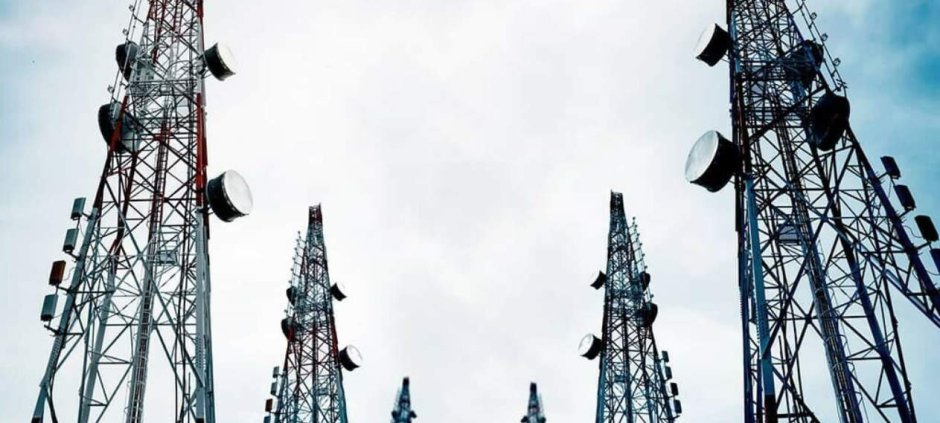
The Pakistan Telecommunication Authority (PTA) is considering requiring telecom companies to install solar power systems at mobile tower sites that frequently experience electricity outages, in a move aimed at improving network reliability and reducing dependence on conventional energy sources.
The regulator has launched an industry-wide consultation seeking recommendations from cellular operators, tower infrastructure providers, tower companies and equipment vendors on shifting mobile network sites towards solar and other renewable energy solutions.
Stakeholders have been asked to submit their proposals and site-level data by 4:30 p.m. on December 7, 2026, as PTA works towards developing a broader renewable energy roadmap for the telecom sector.
Solar Systems Proposed for High-Outage Tower Sites
Under one of the proposals being considered, mobile tower sites experiencing electricity outages of 5% or more in a month within a union council could be required to install solar systems with adequate battery storage.
The proposed arrangements would be designed to keep mobile services running during power outages, including at night and in difficult weather conditions such as cloudy days and snowfall.
However, PTA has not yet made the requirement mandatory or announced any specific deployment targets. Instead, it is seeking recommendations from industry stakeholders before deciding on possible regulatory measures under Clause 7.9.1 of the Telecom Policy 2015.
PTA Seeks Detailed Data From Telecom Companies
The regulator has asked telecom operators to provide records of electricity outages at individual tower sites over the preceding 30 days.
Companies will also have to share site locations, grid-connected or off-grid status, existing backup arrangements and outage percentages. The data is expected to be compiled at union council, tehsil, district and national levels.
Operators have additionally been asked to identify suitable alternative energy solutions for their sites and propose implementation timelines of one, two or three years.
PTA is also seeking details of the 10% of sites with the highest diesel consumption, along with plans to gradually reduce their dependence on diesel-powered generators.
Incentives for Renewable Energy Adoption
Alongside possible requirements, PTA is exploring incentives that could encourage telecom companies to invest in renewable energy systems.
These may include tax relief, easier equipment imports, support for local manufacturing and carbon credits. The regulator is also seeking proposals for extending renewable energy solutions to remote areas and mobile tower sites supported through the Universal Service Fund.
The proposals are intended to explore ways of making the transition more practical for operators while improving energy efficiency across the telecom industry.
Shared Solar and Battery Solutions Also Considered
PTA is considering a phased and technology-neutral approach, recognising that mobile tower sites have different energy requirements.
Some locations have relatively stable electricity connections, while others face frequent load-shedding or operate without access to the national grid.
Shared solar installations, battery storage and energy management systems are among the solutions being considered, particularly for towers serving multiple telecom operators.
The authority is also seeking coordination with power regulators and electricity distribution companies to help reduce load-shedding at mobile tower sites over the next five years.
PTA Plans Annual Monitoring
The regulator plans to introduce a standardised annual reporting system to track progress in renewable energy adoption across the telecom sector.
The proposed monitoring mechanism would also ensure that operators continue meeting existing quality-of-service requirements and maintain adequate backup power to keep their networks operational.
After reviewing industry submissions, PTA will determine whether additional targets or regulatory requirements are needed to encourage the adoption of renewable energy at mobile tower sites.