The nationwide transporters’ strike is creating serious challenges for Pakistan’s textile industry. The disruption has affected the movement of export shipments across the country.
The All Pakistan Textile Mills Association (APTMA) has raised concerns over the situation. The association said the ongoing strike is delaying textile exports.
APTMA Chairman Kamran Arshad said freight movement has been severely affected. He warned that prolonged transport disruptions could hurt Pakistan’s position in global markets.
Exporters are facing difficulties in meeting international delivery deadlines. Delayed shipments could also affect relationships with overseas buyers.
Transport Strike Disrupts Textile Supply Chains
The transport shutdown is affecting more than finished export shipments. Textile mills are also facing difficulties in receiving essential supplies.
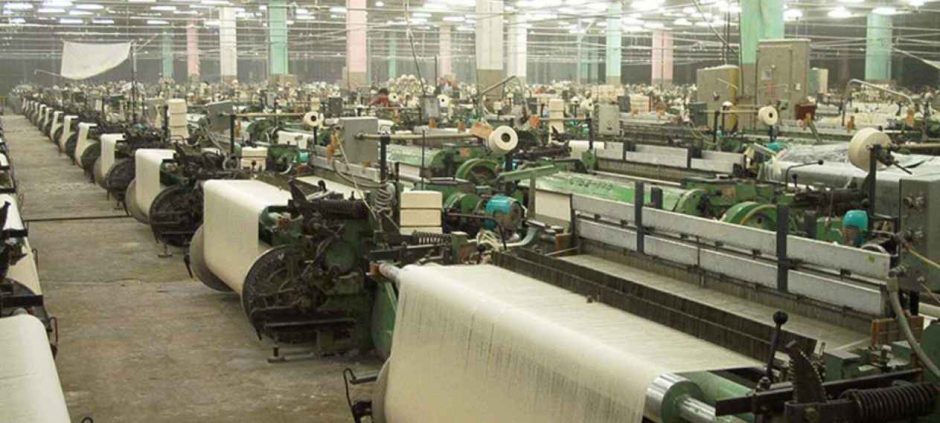
APTMA said mills are experiencing shortages of raw materials. Disruptions in fuel supplies are also creating additional challenges for manufacturers.
Road transport plays an important role in moving goods across Pakistan. Any prolonged disruption can therefore affect the entire textile supply chain.
The situation comes when the textile sector already faces several economic pressures. These include high energy costs and limited liquidity.
The industry is also dealing with strong competition in international markets. APTMA said textile businesses cannot absorb another major supply chain disruption.
Impact on Pakistan’s Textile Exports
Pakistan’s Textile Exports are particularly important for the country’s economy. APTMA said textiles contribute more than 60 percent of Pakistan’s total exports.
The sector is a major source of foreign exchange earnings. It also supports industrial activity and provides employment to a large workforce.
Any prolonged disruption could therefore create wider economic consequences. Export delays may affect revenue and reduce the sector’s competitiveness.
Pakistan’s Textile Exports depend on reliable transport and timely delivery. International buyers expect suppliers to meet agreed shipping schedules.
APTMA warned that continued delays could damage Pakistan’s reputation as a dependable supplier. This could create challenges for exporters competing for international orders.
APTMA Calls for Immediate Action
APTMA has urged the federal government to address the transport dispute. It called for discussions between authorities and transporters.
The association believes dialogue can help restore normal freight operations. It also asked all relevant stakeholders to support a quick resolution.
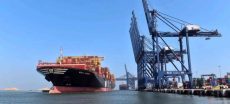
APTMA specifically called on the Ministry of Maritime Affairs to take action. It also urged port authorities and shipping lines to provide assistance.
The association requested immediate clearance of export cargo at ports. This support is needed until road transport services return to normal.
Supply Chain Restoration Needed
APTMA said restoring transportation links is essential for the textile industry. A quick solution could help prevent further export delays.
The association also highlighted the importance of protecting industrial activity. Continued disruption could affect businesses, workers and export earnings.
Pakistan’s Textile Exports remain a key part of the country’s economic activity. Maintaining smooth supply chains is essential for the sector’s future growth.
In other related news also read Pakistan’s textile exports remain unchanged in FY24
APTMA has therefore called for urgent coordination among the government and industry stakeholders. It said normal transport operations should resu