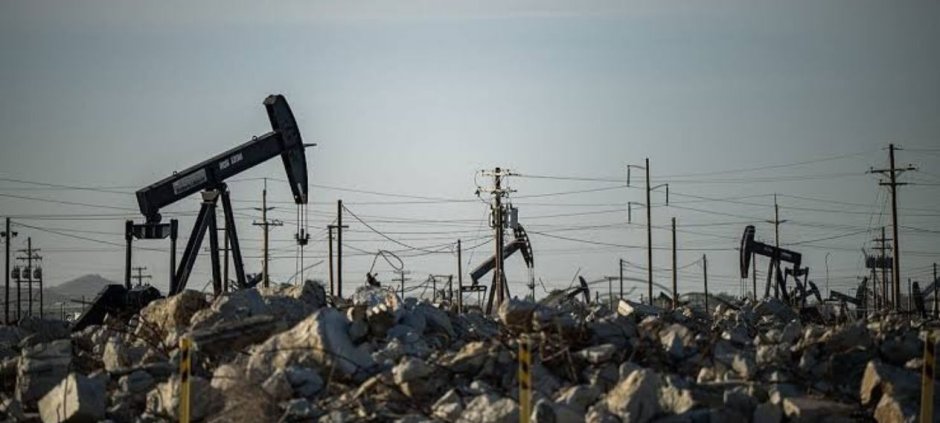
Oil prices climbed to nearly $110 a barrel on Friday, October 16, as rising tensions in the Middle East and concerns over Russian fuel supplies increased fears of a tighter global oil market. Brent crude futures settled at $109.86 per barrel, marking a 3.7% increase and the highest closing price since May 19.
US West Texas Intermediate (WTI) crude also recorded a sharp rise. It settled at $101.41 per barrel, gaining $3.44, or 3.5%, during the session. Brent briefly touched the $110 mark during Friday’s trading.
The increase came as traders assessed the risk of further disruptions to oil shipments from the Middle East. Concerns about Russia’s ability to supply diesel to international markets also added pressure to prices.
Why Are Oil Prices Rising?
The latest rise in oil prices is linked to growing uncertainty over crude supplies and shipping routes. The Strait of Hormuz remains a major concern because a significant share of global oil shipments passes through the narrow waterway.
Recent attacks in the region have raised concerns about the safety of commercial shipping. Iranian attacks around the Strait of Hormuz have reportedly reduced Gulf crude flows, while fears of further escalation have encouraged traders to buy oil.
Reports of possible attacks on Saudi energy infrastructure also contributed to market uncertainty. However, some of the reports circulating about potential military action remain unverified.
A Saudi-led coalition also said it had intercepted and destroyed a ballistic missile launched towards Yanbu, a Red Sea port that plays an important role in Saudi Arabia’s oil export network. Initial reports indicated that the incident caused no damage to the port’s infrastructure.
Russia’s Oil Supply Adds to Market Concerns
Developments in Russia have added another layer of uncertainty. Ukraine carried out a strike on a Russian oil refinery on Thursday, October 15, following a change in Kyiv’s position on a ceasefire covering energy facilities.
Russia’s Ryazan refinery suspended operations at a primary crude distillation unit after a drone attack in the region, according to industry sources cited in the report.
The incident raised questions about the availability of Russian refined fuel, particularly diesel. Traders are closely watching how much fuel Russia can continue to supply to international markets as attacks on energy infrastructure affect production.
Uncertainty over both Middle Eastern crude shipments and Russian diesel supplies has strengthened expectations of tighter fuel availability.
Global Agencies Move to Increase Supply
Governments and energy agencies have taken steps to reduce pressure on the market. The International Energy Agency agreed to release more than 20 million barrels of fuel to help increase supplies.
The United States also issued a request for proposals for an exchange involving up to 17 million barrels of crude oil from its Strategic Petroleum Reserve.
These steps followed a wider international agreement involving around 30 countries to release a combined 400 million barrels from strategic reserves. The United States had previously agreed to loan 172 million barrels as part of the wider arrangement.
The measures are intended to improve supply availability, although their impact will depend on how quickly the oil reaches the market and whether further disruptions occur.
Oil Records Weekly Gains
Brent crude has risen 4.9% so far this week, while WTI has gained 10.4%. The sharp weekly increase reflects continuing uncertainty over Middle Eastern security, Russian fuel supplies and the movement of oil through key shipping routes.
Further price movements will depend on developments in the region, the condition of major export routes and the effectiveness of efforts to increase global supplies.
For oil-importing countries such as Pakistan, sustained increases in international crude prices can raise import costs and put pressure on domestic fuel prices. However, any change in Pakistan’s petrol and diesel prices will depend on the government’s pricing decisions, exchange rates, taxes and other local factors.
Also read: Oil Prices Fall as Demand Outlook Weakens