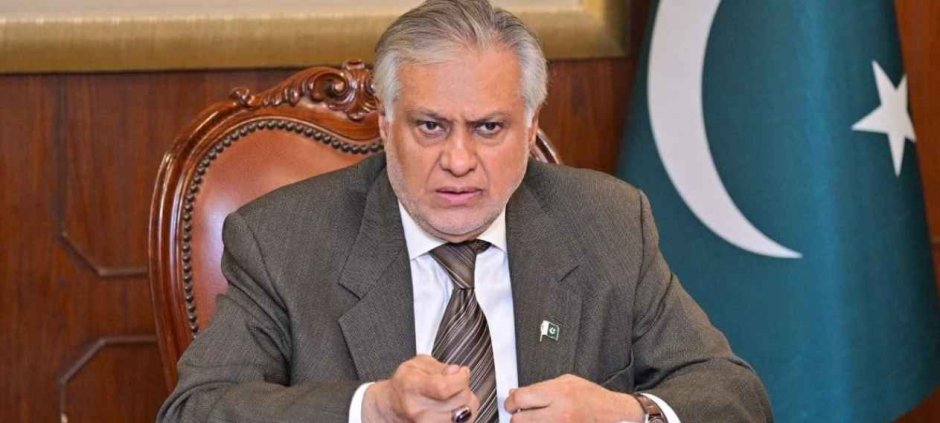
Deputy Prime Minister and Foreign Minister Ishaq Dar has reaffirmed Pakistan’s commitment to facilitating dialogue between the United States and Iran. He said regional conflicts should be resolved through diplomacy rather than military force.
Addressing the Shanghai Cooperation Organization (SCO) Council of Heads of Government, Dar highlighted the importance of peaceful negotiations. He said Pakistan would continue its efforts to support mediation between Washington and Tehran.
The foreign minister stressed that dialogue and constructive engagement remain essential for resolving regional disputes. He also reiterated Pakistan’s commitment to promoting peace and stability across the region.
During his address, Ishaq Dar discussed broader regional priorities, including economic cooperation, investment, trade, and connectivity. He described the SCO as an important platform for shared prosperity and sustainable development.
Ishaq Dar Highlights Pakistan’s Commitment to Diplomacy
Dar said Pakistan was actively working to facilitate mediation between the United States and Iran. He reaffirmed that negotiations offered a path towards resolving disagreements and reducing regional tensions.
He emphasized that lasting solutions require dialogue and mutual understanding. According to Dar, the use of force would not provide a sustainable answer to regional conflicts.
Pakistan intends to continue working towards peaceful outcomes through diplomatic engagement. Dar also called for stronger cooperation among countries facing shared regional challenges.
His remarks highlighted Pakistan’s stated commitment to dialogue as a means of addressing international disputes. However, the reference did not provide further details about the mediation process or any scheduled negotiations.
SCO’s Role in Regional Cooperation
Dar also discussed the role of the Shanghai Cooperation Organization in promoting economic development and collective security. He said Pakistan’s membership reflected its commitment to the organisation’s principles, known as the “Shanghai Spirit.”
These principles include mutual trust, mutual respect, and respect for diversity. Dar noted that the SCO’s activities had expanded beyond traditional security matters.
The organisation now covers areas such as trade, infrastructure, culture, and innovation. According to Dar, the SCO represents more than 40% of the world’s population.
He described the organisation as an important platform for regional peace and cooperation. Its members can work together to strengthen economic ties and improve connectivity across Eurasia.
Pakistan Calls for More Investment and Trade
Dar highlighted the importance of investment in energy and transport infrastructure. He said these sectors could help strengthen economic integration among SCO member states.
He also identified agriculture, mining, minerals, and information technology as important areas for investment. Greater cooperation in these sectors could support economic development and expand regional trade.
The foreign minister said Pakistan remained committed to implementing the SCO’s agenda. He called for stronger partnerships, improved connectivity, and increased commercial activity among member countries.
Dar also highlighted opportunities for digital transformation and sustainable economic growth. He said closer cooperation could help unlock the region’s economic potential.
Pakistan Reaffirms Commitment to Regional Peace
Pakistan intends to continue working with SCO members to strengthen regional partnerships and economic cooperation. Ishaq Dar reiterated that diplomacy would remain central to Pakistan’s approach to resolving regional conflicts.
His remarks combined calls for peaceful engagement with proposals for stronger economic ties. The address highlighted Pakistan’s stated priorities of regional stability, investment, trade, and connectivity.
In other related news also read Ishaq Dar Reviews Foreign Policy, Peace Priorities
The next steps in Pakistan’s US-Iran mediation efforts were not detailed in the provided information. Further developments will depend on diplomatic engagement between the countries involved.