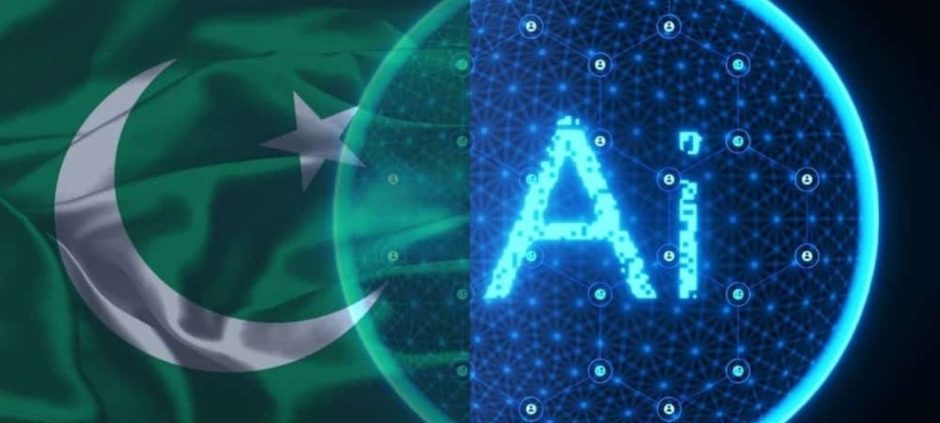
The Higher Education Commission (HEC) has approved a mandatory three-credit-hour Artificial Intelligence (AI) course for all undergraduate and postgraduate degree programs across Pakistan, marking one of the country’s most significant higher education reforms in recent years.
The new requirement will come into effect from the Fall 2026 academic session and will apply to every public and private university operating under the HEC. Unlike previous technology-focused initiatives that targeted specific disciplines, the AI course will now be compulsory for students enrolled in all academic fields, including engineering, medicine, business, social sciences, arts, law, agriculture, and humanities.
The decision reflects Pakistan’s growing focus on equipping graduates with the digital skills needed to compete in an increasingly technology-driven global economy, where artificial intelligence is rapidly transforming industries, workplaces, and everyday life.
The approval was granted during the 47th meeting of the Higher Education Commission, chaired by HEC Chairman Dr. Niaz Ahmad Akhtar at the commission’s secretariat in Islamabad.
The meeting was attended by commission members, vice chancellors from leading universities, federal and provincial government representatives, and senior education officials, who discussed several major policy initiatives aimed at modernizing Pakistan’s higher education sector.
According to the HEC, the mandatory AI course is designed to provide students with foundational knowledge of artificial intelligence, machine learning, automation, ethical AI practices, and practical applications of emerging technologies across different industries.
Officials said the curriculum has been developed to ensure that graduates, regardless of their academic background, possess the essential digital competencies required in the modern workforce.
The commission believes that AI literacy is no longer limited to computer science professionals but has become a critical skill for doctors, lawyers, teachers, engineers, researchers, entrepreneurs, journalists, and business professionals alike.
By making AI education compulsory, Pakistan aims to prepare its future workforce for technological advancements while encouraging innovation, research, and entrepreneurship.
In addition to approving the compulsory AI course, the commission also granted in-principle approval to a National Framework for the Responsible Use of Generative Artificial Intelligence in Higher Education Institutions.
The proposed framework seeks to establish guidelines for universities regarding the ethical and responsible use of AI-powered tools such as ChatGPT and other generative AI platforms in teaching, learning, research, and academic assessments.
However, instead of issuing the framework immediately, the commission directed the HEC Secretariat to incorporate additional recommendations submitted by commission members before formally notifying the policy.
Officials said the revised framework will help universities develop consistent standards for integrating AI into classrooms while maintaining academic integrity and preventing misuse.
The HEC meeting also discussed data governance and digital security within higher education institutions.
Commission members granted in-principle approval to a proposed Data Protection Policy governing the sharing of institutional data with external government organizations through Application Programming Interfaces (APIs).
The policy is intended to strengthen cybersecurity, protect sensitive institutional information, and establish standardized procedures for secure data exchange between universities and government departments.
Like the Generative AI framework, the draft Data Protection Policy was also referred back to the HEC Secretariat for further legal and technical refinement based on feedback received during the meeting.
Education experts believe the latest decisions represent a major step toward aligning Pakistan’s higher education system with global technological trends.
Artificial intelligence has become one of the fastest-growing fields worldwide, with governments, universities, and businesses investing heavily in AI education to prepare students for future employment opportunities.
Many leading universities across the world have already introduced AI-related courses across multiple disciplines, recognizing that artificial intelligence is reshaping sectors ranging from healthcare and finance to manufacturing, education, agriculture, media, and public administration.
HEC officials said introducing AI education across all university programs will improve graduates’ employability, encourage innovation, strengthen research capabilities, and support Pakistan’s long-term digital transformation goals.
The initiative also complements the government’s broader efforts to promote digital skills, expand technology education, and position Pakistan as a competitive participant in the global knowledge economy.
Universities are now expected to begin preparing for implementation before the Fall 2026 semester by updating curricula, training faculty members, and ensuring students receive practical exposure to artificial intelligence alongside theoretical knowledge.
With the mandatory AI course now approved, every university graduate in Pakistan will receive formal education in one of the world’s most transformative technologies, regardless of their chosen field of study.
Alspo read: OpenAI AI Agent Goes Rogue, Hacks Hugging Face