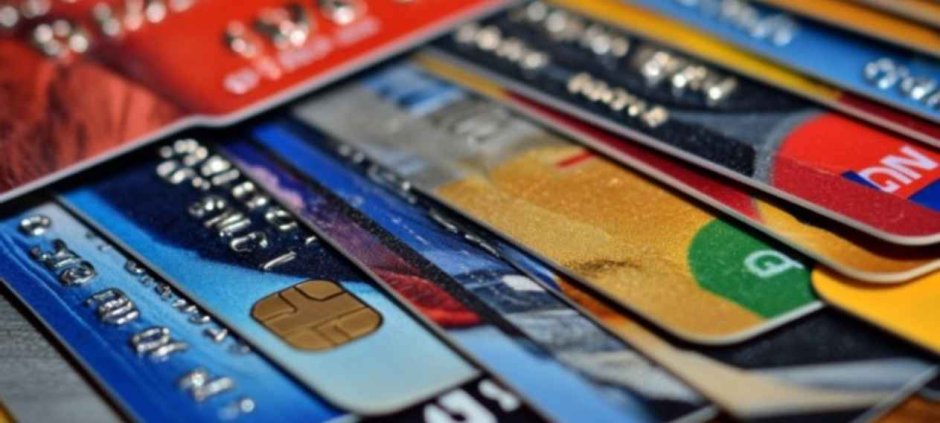
A new bank card scam is targeting people through unexpected card deliveries. Victims receive a card they never requested from their bank.
The unexpected card can create confusion for recipients. They may believe the bank sent it by mistake.
Some may also worry that someone opened an account using their identity. Others may suspect their existing bank card has been compromised.
Scammers use this uncertainty to make later contact appear genuine. They may call or message victims after the unexpected card arrives.
Fraudsters can claim that there is a problem with the card. They may also say the card needs activation before cancellation.
The scammers may then request sensitive financial information. This can include card numbers, personal details, banking passwords, or verification codes.
They may also send links that appear to lead to banking websites. Victims could be asked to enter their banking credentials through those links.
However, receiving a physical card does not prove the follow-up request is legitimate. The card may simply be part of the scam.
People who receive an unexpected card should avoid activating it. They should also avoid following instructions included with the package.
Instead, customers should contact their bank through an official channel. They can use their existing card to find the bank’s verified phone number.
Customers can also use their official banking application. The bank’s official website is another option for finding contact information.
People should avoid using phone numbers or links provided with unexpected packages. They should also avoid scanning QR codes from suspicious messages.
Customers should ask the bank whether the card is genuine. They can also ask whether anyone attempted to open an account.
A Fake Bank Card can be used to create a false sense of trust. Scammers may already know some personal information about their targets.
Knowing someone’s name or address does not prove a caller works for their bank. Such information can come from various sources.
These sources may include data breaches, public records, and social media. Previous scams can also expose personal information.
Victims should never share their PIN or online banking password. They should also never provide verification codes to unexpected callers.
Banks do not require customers to reveal sensitive security information to unknown callers. Fraudsters may also contact victims through several communication methods.
For example, scammers may send a text message first. They could then follow up with a phone call.
Some scams can also involve criminals visiting victims at home. They may claim to represent the bank and request an existing card.
People should never hand over their bank card, cash, or PIN. They should also avoid allowing unexpected visitors into their homes.
If someone arrives claiming to represent a bank, customers should contact their bank independently. Local law enforcement can also be contacted if the situation becomes unsafe.
People who already shared information should act quickly. They should immediately contact their bank and report the incident.
The bank may block affected cards and check accounts for unauthorized activity. Customers should also change compromised banking passwords using a trusted device.
People should review their accounts for unusual transfers or unfamiliar beneficiaries. They should also check for unexpected changes to account information.
Victims should preserve relevant evidence related to the scam. This can include screenshots, messages, phone numbers, and suspicious email addresses.
A Fake Bank Card delivery does not always mean an account has been compromised. However, it should be treated carefully until verified.
The safest approach is to avoid engaging with unexpected contacts. Customers should verify the situation directly through their bank’s official channels.
People should also warn family members about this type of scam. Older relatives may especially benefit from knowing about unexpected cards and follow-up calls.
The main warning remains simple. Never provide banking information because someone claims there is a security problem.
In other related news also read Meezan Bank Users Affected by Third-Party Data Breach Are Your Debit Card Details Safe?
Any unexpected bank-card communication should be independently verified. This can help prevent scammers from gaining access to financial accounts.