The Khyber Pakhtunkhwa government has identified eight districts facing very high risks of winter emergencies during the 2026-27 season. Provincial authorities have directed relevant departments to complete emergency preparations before severe weather affects vulnerable areas.
The instructions were issued during a meeting of the Relief Department chaired by Samar Haroon Bilour, the Governor’s Adviser on Information and Public Relations and Relief, Rehabilitation and Settlement.
The meeting reviewed the province’s Winter Contingency Plan for 2026-27 and assessed possible emergencies linked to severe weather, climate change, natural disasters, terrorism and road accidents.
Officials also discussed emergency response arrangements, available equipment and relief supplies required across different districts.
Eight Districts Identified as High-Risk Areas
During the meeting, officials informed participants that authorities had assessed seasonal risks across all 37 districts of Khyber Pakhtunkhwa.
The assessment identified eight districts as facing very high risks from severe winter weather and related emergencies. However, officials did not publicly disclose the names of all eight districts included in this category.
The government reviewed the resources available to respond to emergencies and discussed the need for additional equipment and relief supplies.
Authorities stressed that preparations must be completed in advance to reduce the impact of severe weather on residents, particularly those living in remote and vulnerable communities.
Snowfall-Prone Areas to Receive Special Attention
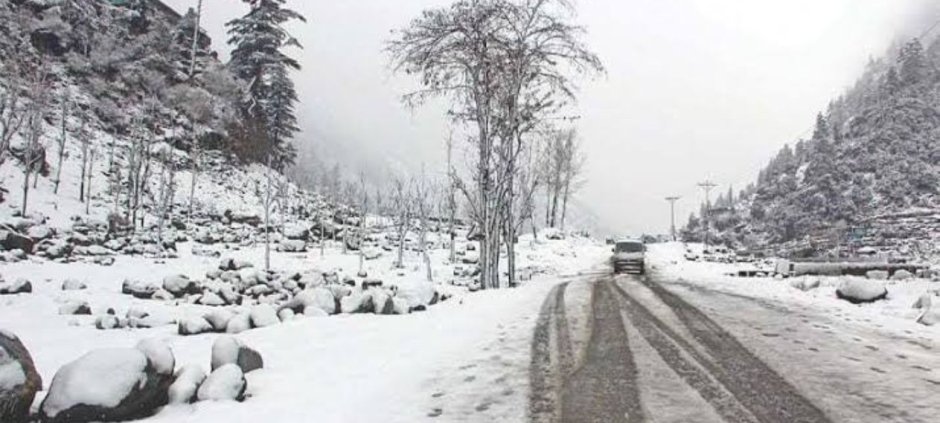
Samar Haroon Bilour directed departments to prioritise areas that frequently experience heavy snowfall and road closures.
These include Upper Chitral, Upper Kohistan, Upper Dir, Shangla, Mansehra and Swat.
She instructed relevant departments to ensure the availability of snow-clearing machinery, sufficient fuel and trained operators. The equipment must remain ready to clear roads and restore access during heavy snowfall.
Officials were also directed to identify roads that could become blocked during severe weather. Alternative routes and communities at risk of being cut off must be identified before emergencies occur.
These arrangements are intended to maintain transport links and ensure that rescue and relief teams can reach affected populations.
Emergency Relief Supplies and Funding Reviewed
The adviser also instructed authorities to review existing relief supplies and check whether emergency stocks are sufficient for local requirements.
Departments must improve the transportation and distribution of relief materials to ensure that supplies reach affected areas without unnecessary delays.
District administrations were directed to identify their funding requirements and report any financial shortages. Bilour said funding concerns would be discussed with the Finance Department and the governor.
The government aims to address resource gaps before severe weather creates additional pressure on emergency services.
Vulnerable Communities to Receive Priority Assistance
The provincial government has also emphasised special arrangements for people who may face greater difficulties during winter emergencies.
Homeless individuals, low-income families, women, children and elderly citizens will receive priority assistance. Persons with disabilities must also be given special consideration during rescue and relief operations.
Bilour directed officials to ensure that affected families receive assistance promptly. She also stressed the importance of transparent procedures for distributing financial support and relief supplies.
Rescue 1122 and Emergency Teams Put on Alert
The meeting reviewed emergency arrangements for terrorism, traffic accidents and other unexpected incidents.
Bilour directed rescue departments to keep vehicles, equipment and emergency personnel ready around the clock.
She also called for stronger coordination between Rescue 1122, district administrations, police and the Health Department. Better coordination is expected to improve response times and help emergency teams provide timely assistance.
District and provincial emergency operation centres were also directed to remain fully functional. Officials must strengthen monitoring systems and ensure that important information is shared during emergencies.
Tourist Safety Measures Planned for Winter
The government has also reviewed safety arrangements for tourists visiting mountainous areas during the colder months.
Bilour directed departments to issue timely weather alerts and identify safe locations for visitors. Authorities must also prepare evacuation plans for tourists who may become stranded because of heavy snowfall or blocked roads.
Emergency teams have been instructed to remain prepared to respond when weather conditions become dangerous.
The adviser also asked departments to clearly define their responsibilities and available resources.
The Winter Contingency Plan aims to improve emergency preparedness and reduce the impact of severe weather across Khyber Pakhtunkhwa. Authorities are expected to complete the required arrangements before the winter season creates additional challenges for residents and travellers.
Also read: Gohar, Achakzai Oppose KP Emergency, announces protest