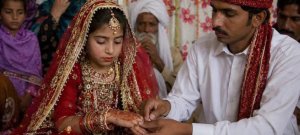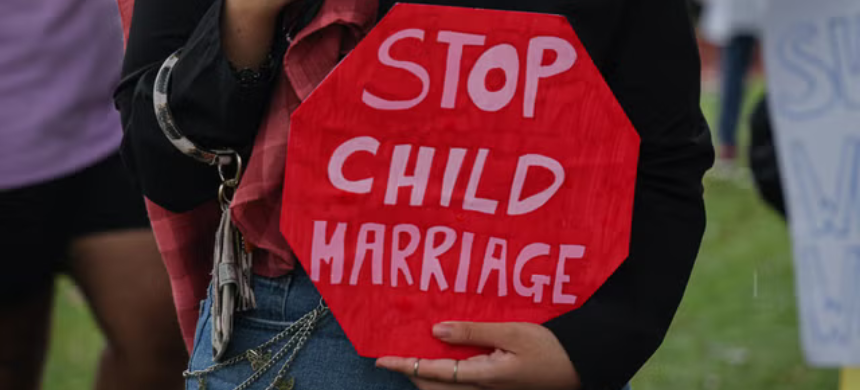
Child marriage, defined as a legal or informal union before the age of 18, remains a significant global issue, disproportionately affecting girls. It is not only a violation of fundamental human rights but also restricts access to education, health, and freedom. Despite international initiatives like UNICEF and UNFPA’s Global Programme to End Child Marriage, local action remains crucial for real change.
Globally, approximately 12 million girls marry before the age of 18 each year, with South Asia and Sub-Saharan Africa experiencing the highest rates. In Pakistan, nearly 21% of girls marry before they turn 18, with a significant portion marrying even younger, particularly in rural areas like Sindh and Balochistan. Economic factors such as poverty, along with cultural traditions, contribute to the perpetuation of child marriage in these regions. In many cases, families view early marriage as a practical solution to financial hardships, as well as a way to preserve family honor or avoid social stigma.
The practice is deeply rooted in harmful customs, including honor killings and exchange marriages (watta satta), where girls and boys are married off in exchange, often leading to cycles of violence and control. Child marriage is not only a result of socio-economic pressure but also of cultural expectations, where a girl’s behavior is tied to family honor. This cultural framework, along with fears of dishonor and the obligation to marry off daughters, reinforces early marriages in conservative societies.
Pakistan’s legal framework addresses child marriage, but its enforcement is inconsistent. The legal age for marriage is 16 for girls and 18 for boys under the Child Marriage Restraint Act of 1929. However, there are significant challenges in enforcing this law, particularly in provinces like Sindh, where even progressive legislation setting the minimum marriage age at 18 struggles to make an impact due to weak enforcement and lack of awareness.
Read More: UK Contemplates Ban on First Cousin Marriages
The root causes of child marriage in Pakistan are complex and interconnected. Poverty, gender inequality, and limited access to education are key drivers. Many poor families marry off daughters to alleviate financial burdens or secure dowries. Additionally, patriarchal norms prioritize boys’ education and care, often leaving girls without the agency or opportunity to make decisions about their lives.
The consequences of child marriage are profound. Child brides face high risks of maternal mortality, obstetric complications, and neonatal health issues due to early pregnancies. Furthermore, early marriage often interrupts education, limiting girls’ future economic opportunities. The psychological effects are also significant, leading to depression, anxiety, and social isolation. On a broader scale, child marriage contributes to economic stagnation, as young girls are denied the skills and opportunities to contribute meaningfully to the workforce.
Addressing child marriage in Pakistan requires a comprehensive, multi-faceted approach. Strengthening legal enforcement is vital, including harmonizing provincial legislation and closing legal loopholes. Public awareness campaigns and community-based legal education can help sensitise local populations and encourage them to report unlawful practices. Investing in girls’ education and vocational training is another crucial step, as it can delay marriage and provide girls with the tools to achieve economic independence.
Collaboration with religious leaders, local influencers, and community elders is essential to change cultural attitudes and reduce the social acceptance of child marriage. Creating safe spaces, mentorship programs, and girls’ clubs can provide at-risk girls with the support they need to avoid early marriage and secure a brighter future.
International organizations like Girls Not Brides and UNICEF also play a vital role in supporting localized interventions with technical assistance and funding. The collective efforts of local, national, and international stakeholders are necessary to combat child marriage in Pakistan and ensure that all girls have the opportunity to lead healthy, fulfilling lives.
In conclusion, child marriage in Pakistan is a deeply ingrained cultural, economic, and social issue that requires a comprehensive, multi-pronged approach. Strengthening legal frameworks, improving access to education, and changing cultural norms are all critical steps in preventing child marriage and ensuring a better future for girls in Pakistan.