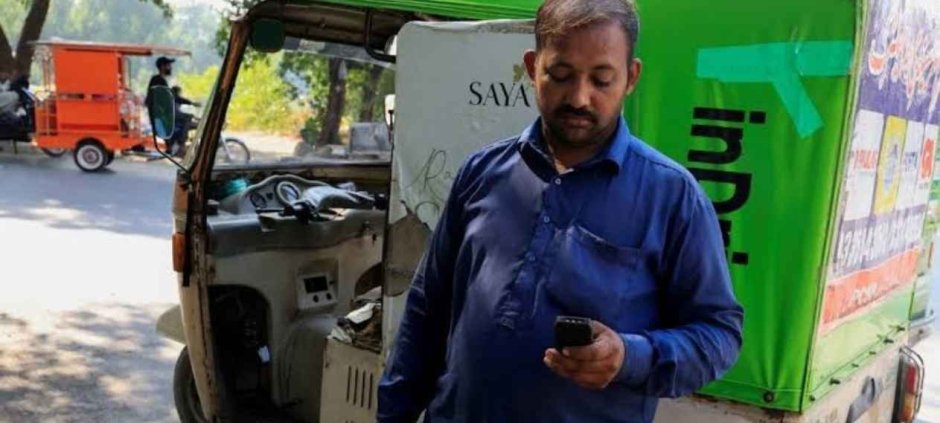
Rising LPG prices in Pakistan are putting additional pressure on thousands of rickshaw drivers. Many workers are struggling to earn enough to support their families.
Rashid Ali, a 33-year-old rickshaw driver in Lahore, has worked in the transport sector for 13 years. His daily routine starts at 6 a.m. and sometimes continues until midnight.
Previously, Ali could earn around $6.50 daily, covering his family’s basic needs. However, increasing LPG prices have reduced his daily earnings to less than half.
He now struggles to earn even $3 a day. His family has also reduced its meals from three to two daily.
Ali said affordable fuel previously allowed drivers to earn a reasonable income. However, rising costs have made it increasingly difficult to manage household expenses.
LPG Price Hike Increases Transport Costs
Thousands of Pakistani drivers depend on liquefied petroleum gas (LPG) to operate their vehicles. The fuel is commonly sold in cylinders and is also used for household cooking and heating.
Majeed Ghauri, chairman of the Awami Rickshaw Union, described LPG as the fuel of low-income communities.
He said around 70% of the union’s 43,000 auto-rickshaws use LPG. Nearly 8,000 Qingqis, which are motorcycle-based passenger vehicles, also depend on the fuel.
According to traders, LPG prices increased sharply after two Iranian border crossings closed on October 17. The closures disrupted imports and created supply concerns.
Before the restrictions, Pakistan imported approximately 7,000 metric tons of LPG daily from Iran, according to the Pakistan LPG Association.
Traders reported that the price of a 12-kilogram cylinder increased by 56% within days. It reached Rs. 7,000 in the open market, equivalent to approximately Rs. 583 per kilogram.
Iran Border Closures Affect LPG Supplies
The Balochistan government cited security concerns and smuggling when explaining the border closure decision.
However, Iran’s Foreign Ministry attributed the situation to technical problems. Iran’s ambassador later denied imposing restrictions on LPG exports.
He instead blamed changes in Pakistan’s import documentation procedures for the disruption.
These conflicting explanations have added uncertainty to the supply situation.
Rickshaw Drivers Struggle With Daily Expenses
Ali faces several expenses while operating his rented rickshaw. He pays Rs. 600 daily to rent the vehicle.
He also purchases fuel four or five times daily. Each refill costs between Rs. 300 and Rs. 400.
In addition, Ali pays Rs. 11,000 monthly in rent. He also supports his two young children.
Increasing fuel costs have not allowed drivers to raise fares easily. Ali said passengers frequently refuse to pay higher transport charges.
He explained that passengers sometimes offer only Rs. 80 to Rs. 150 for trips costing Rs. 200 to Rs. 250.
Passenger Mohammad Ramzan also described refusing a Rs. 500 fare. He offered half the amount and eventually walked away when the driver declined.
Rising Inflation Adds to Household Pressure
Pakistan’s economic challenges have further affected low-income households. Inflation reached 9.6% in October, while the central bank increased interest rates to 12%.
Energy and wheat prices were among the factors cited for the interest rate decision.
Petrol prices also reached a record Rs. 458 per litre on April 3. They remain approximately 40% higher than their pre-war level.
For drivers like Ali, increasing fuel prices mean fewer earnings and greater financial pressure.
Despite these difficulties, he continues working until late at night. His main priority is earning enough money to provide food for his children.
In other related news also read LPG Associations Announce Nationwide Strike
The rising cost of LPG has therefore become a serious challenge for transport workers who depend on affordable fuel for their daily income.