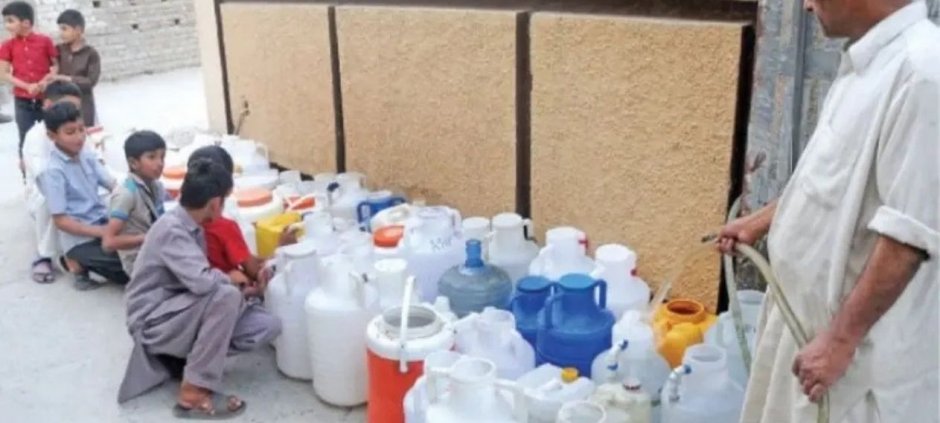
Rawalpindi is facing a serious water shortage, with the city receiving 21 million gallons less water than its daily requirement. An official briefing revealed that the daily water demand stands at 72 million gallons, while the available supply is only 51 million gallons.
The shortage is putting pressure on the city’s water supply system. Authorities are now focusing on ongoing dam and water supply projects to improve the situation and provide more water to residents.
Commissioner Orders Faster Work on Water Projects
Rawalpindi Commissioner Salman Ghani chaired a meeting to review the city’s water resources and ongoing supply projects. During the meeting, officials reaffirmed their commitment to completing the projects within their scheduled timelines.
The commissioner directed the relevant departments to speed up construction work on a war footing. He stressed the need to complete the projects on time to help address the growing gap between water demand and supply.
The meeting reviewed several major projects, including Chahan Dam, Chrah Dam, Daducha Dam and Rawal Dam. These projects are expected to increase the amount of water available to Rawalpindi in the coming years.
Daducha Dam Project Nears Completion
Construction work on Daducha Dam has reached 92 per cent completion, according to the briefing.
Once operational, the project is expected to provide Rawalpindi with 35 million gallons of treated water daily. The supply will be delivered through a 28-kilometre transmission line supported by a water treatment plant.
However, the complete water supply network is expected to be ready by December 2029. The project is considered an important step towards reducing the city’s water shortage and meeting the needs of its growing population.
Chahan Dam Project Targets December 2027
The authorities have set December 2027 as the target for completing the water treatment and filtration plant at Chahan Dam.
The project is expected to benefit more than 250,000 residents by improving access to water. Its completion will help strengthen the city’s water supply system and reduce pressure on existing resources.
Officials also discussed plans to increase the amount of water supplied through Chrah Dam. Under the Water and Sanitation Agency’s (Wasa) master plan, Rawalpindi is expected to receive an additional 28 million gallons of water daily from the project.
Water Shortage Remains a Major Challenge
Rawalpindi’s daily water demand of 72 million gallons highlights the pressure on its existing water resources. With only 51 million gallons currently available, the city faces a shortfall that requires long-term solutions.
The completion of the ongoing dam projects could significantly increase water availability. However, residents will have to wait for these projects and their related supply networks to become operational before the additional water reaches the city.
Director Development Nazarat Ali, Wasa Managing Director Azizullah Khan, officials from the Small Dams organisation and representatives of other relevant departments attended the meeting.
The commissioner has directed all concerned departments to accelerate work and meet their deadlines. The timely completion of these projects will be important in improving Rawalpindi’s water supply and addressing the needs of its residents.