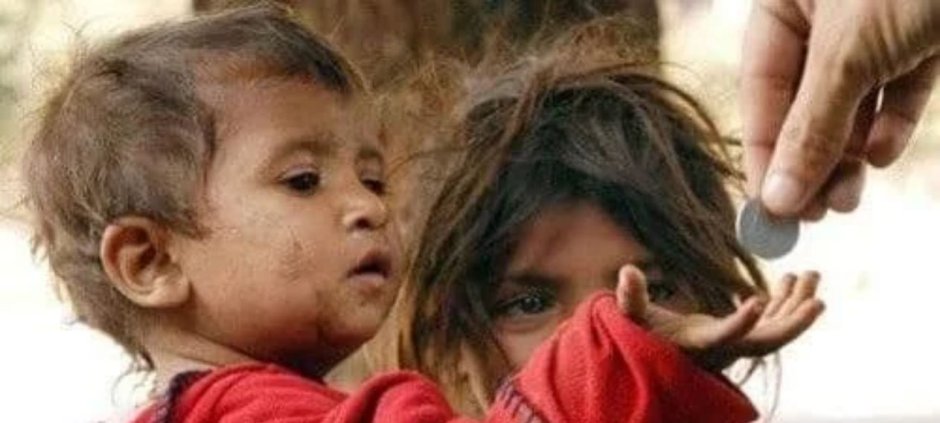
The Punjab Assembly’s Committee on Home Affairs has unanimously approved the Punjab Vagrancy (Amendment) Bill, 2026, proposing stricter penalties for parents and guardians who use children for begging or allow others to exploit them.
The proposed legislation aims to strengthen child protection measures and tackle the growing problem of child begging across Punjab. Under the amendments, parents and guardians could face imprisonment and heavy financial penalties if they involve children in begging activities or fail to prevent their exploitation.
The bill was approved during a committee meeting chaired by MPA Safdar Hussain Sahi. Members of the committee and officials from the Punjab Assembly and relevant government departments also attended the meeting.
Parents Could Face Up to 3 Years in Jail
One of the most important provisions of the proposed law is the introduction of stricter punishments for parents and guardians.
Under the amendments, anyone found using children for begging, allowing another person to exploit them for begging, or negligently failing to prevent such activities could face imprisonment ranging from three months to three years.
The proposed financial penalties range from Rs. 100,000 to Rs. 300,000.
These measures are intended to hold parents and guardians accountable for the exploitation of children. The legislation also aims to discourage organised groups and individuals who use children to collect money from the public.
Child Protection Age Increased From 14 to 16
Another major change proposed in the bill is an increase in the legal child protection age.
The amendments seek to raise the age limit from 14 to 16 years by changing the Punjab Vagrancy Ordinance, 1958.
This change would extend legal protection to more children and allow authorities to take action in cases involving children between the ages of 14 and 16.
The proposed amendment reflects an effort to strengthen the legal framework used to prevent child exploitation and begging.
Social Welfare Department to Get More Powers
The bill also proposes changes to improve the enforcement of anti-begging laws across Punjab.
Under the proposed legislation, the Director General of Social Welfare and Bait-ul-Maal Punjab would be appointed as the controller responsible for coordinating anti-begging operations.
The controller would have several responsibilities, including supervising inspections of welfare and rehabilitation centres, maintaining a central database and issuing standard operating procedures.
The official would also oversee rehabilitation programmes and improve coordination between different government departments.
Focus on Rehabilitation and Child Protection
The proposed amendments also aim to improve the monitoring of individuals taken into custody during anti-begging operations and later sent for rehabilitation.
The government wants to establish a stronger system for identifying exploited children, monitoring rehabilitation facilities and ensuring better coordination between departments.
The bill would replace an earlier amending ordinance issued in 2026 and incorporate its provisions into provincial law through formal legislation.
However, the effectiveness of these measures will depend on proper implementation. Rehabilitation facilities, trained staff and sufficient funding will be important to ensure that children removed from begging are given proper care and support.
The committee’s approval marks an important step in the legislative process. The proposed changes will need to complete the remaining legal requirements before becoming enforceable law.
Also read: Punjab Plans Life Imprisonment for Illegal Weapons Possession