Electricity consumers in Pakistan could face higher power bills and increased loadshedding between December 2026 and February 2027 as declining hydropower generation, limited domestic gas supplies and expensive imported fuels put pressure on the country’s energy system.
Sources within the Power Division have warned that electricity generation costs could increase significantly during the winter months. The expected rise in fuel expenses may also push monthly fuel price adjustments higher, adding to the financial burden on households and businesses.
The concerns come as Pakistan prepares for a projected water shortage during the Rabi season, while international prices of liquefied natural gas (LNG), coal and other fuels remain an important factor in electricity generation costs.
However, the forecast of costs increasing two to three times should not be confused with a confirmed tripling of the overall electricity tariff. It refers to the expected pressure on generation expenses and fuel price adjustments, while any change in consumer tariffs will depend on regulatory decisions and applicable adjustments.
Water Shortage Could Reduce Hydropower Generation
One of the major concerns for Pakistan’s electricity supply during winter is the expected decline in hydropower generation.
According to the report, the Indus River System Authority (IRSA) has projected a water shortage of more than 22 percent during the winter season. Reduced water availability could affect hydropower production and increase the country’s dependence on thermal power plants.
The IRSA Advisory Committee has approved an overall 22 percent water shortage for Punjab and Sindh during the Rabi season 2026-27, covering October 1, 2026, to March 31, 2027. The authority has also indicated that the shortage will be reviewed periodically.
Power Division sources have warned that hydropower generation could become negligible during December, January and February. If water availability remains limited, the national grid may need to rely more heavily on alternative fuel sources to meet electricity demand.
This could increase generation expenses at a time when consumers are already concerned about electricity prices.
Expensive LNG and Coal Could Increase Power Generation Costs
Pakistan may also face difficulties securing affordable fuel for electricity production during the winter season.
Power Division sources have identified rising international prices of LNG, coal and other fuels as major concerns for the coming months. Limited availability of locally produced natural gas for power plants could further increase reliance on imported and more expensive energy sources.
Domestic gas supplies are also needed to meet household requirements during colder weather. This could make fuel allocation more challenging as demand rises across different sectors.
When hydropower production declines and domestic gas availability becomes limited, power plants may have to depend more heavily on alternative fuels.
The combination of reduced hydropower output, expensive imported fuel and limited domestic gas could increase the average cost of electricity generation.
According to the report, fuel-related costs and adjustments could rise two to three times between December and February. However, the actual impact on electricity bills will depend on fuel prices, the generation mix, regulatory decisions and other adjustments.
Loadshedding Could Increase Between December and February
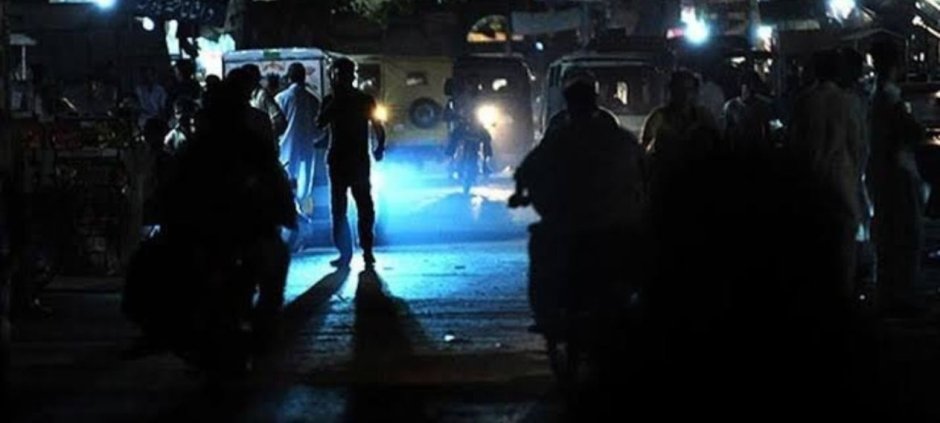
Alongside higher electricity costs, consumers may also face increased loadshedding during the winter months.
Power Division sources have warned that the government may need to increase load management from December through February if fuel availability and generation costs create difficulties for the power supply system.
Reduced hydropower generation could limit the availability of relatively low-cost electricity, while restrictions on domestic gas supplies may make it harder for power plants to maintain production.
The situation could create additional pressure on the national grid, particularly if available generation capacity is insufficient to meet demand.
However, increased loadshedding remains a reported possibility rather than a confirmed nationwide schedule. The extent of any power outages will depend on actual electricity demand, fuel availability and the generation capacity available during the winter.
Separate Quarterly Tariff Adjustment Could Add to Bills
Consumers could also face a separate increase through the upcoming quarterly tariff adjustment.
According to estimates reported in the news report, electricity prices may increase by approximately Rs1.30 per unit under the proposed adjustment.
The estimated financial impact could reach around Rs22 billion, potentially adding another burden to electricity consumers.
This proposed quarterly adjustment is separate from the expected increase in winter generation costs and the monthly fuel price adjustment.
Any increase will depend on the applicable regulatory process and approval from the National Electric Power Regulatory Authority (NEPRA).
NEPRA Reviews CPPA Request for Rs2.56 Per Unit Increase
Another development adding to consumer concerns is the Central Power Purchasing Agency’s (CPPA) request for a Rs2.56 per unit increase under the September 2026 fuel price adjustment.
The proposed adjustment relates to the difference between the actual cost of electricity generation and the reference fuel cost approved for the month.
According to figures presented during the regulatory hearing, the average fuel cost reached approximately Rs10.02 per unit in September, compared with a reference rate of Rs7.46 per unit.
If approved, the requested adjustment could impose an additional financial burden of approximately Rs33 billion on consumers.
NEPRA held a public hearing on the proposal on October 29 and reserved its decision. The requested increase has therefore not been confirmed as an approved tariff adjustment.
The final impact on consumers will depend on the regulator’s decision and the treatment of existing adjustments in electricity bills.
What the Winter Outlook Means for Electricity Consumers
The combination of water shortages, rising fuel expenses and limited domestic gas availability could make the coming winter challenging for Pakistan’s power sector.
Lower hydropower generation may increase dependence on thermal electricity, while expensive imported fuels could raise the overall cost of supplying electricity.
At the same time, proposed fuel and quarterly adjustments could put additional pressure on household and business budgets.
Consumers should distinguish between proposed increases, reported forecasts and officially approved tariff changes. The expected two-to-three-times rise in fuel-related costs does not automatically mean that the entire electricity tariff will triple.
The government’s ability to secure sufficient fuel, manage water resources and maintain power generation will be important in determining the severity of the situation.
As December approaches, electricity consumers will be watching for NEPRA’s decision on the September fuel adjustment, the outcome of the quarterly tariff process and any official announcements regarding winter load management.
Also read: Punjab Considers Electricity Bill Relief for Schools