Pakistan has strongly condemned a drone attack on Saudi Arabia’s major East-West oil pipeline, warning that the strike could have serious consequences for regional peace, security and global energy supplies.
Saudi Arabia and Iraq have stated that the drones involved in the attack were launched from Iraqi territory. Following the incident, Baghdad removed a military commander as part of its response to the strike. The development has added to growing concerns over the spread of regional tensions and the security of critical energy infrastructure.
Pakistan’s Foreign Office described the attack as a serious violation of Saudi Arabia’s sovereignty and territorial integrity. Islamabad also condemned the targeting of civilian infrastructure, stating that such actions violate international law and create a direct threat to regional peace, security and stability.
The Pakistani government reaffirmed its strong support for Saudi Arabia and said it stands with the kingdom’s leadership, government and people. Islamabad also stressed its commitment to supporting regional stability through diplomatic efforts and peaceful measures.
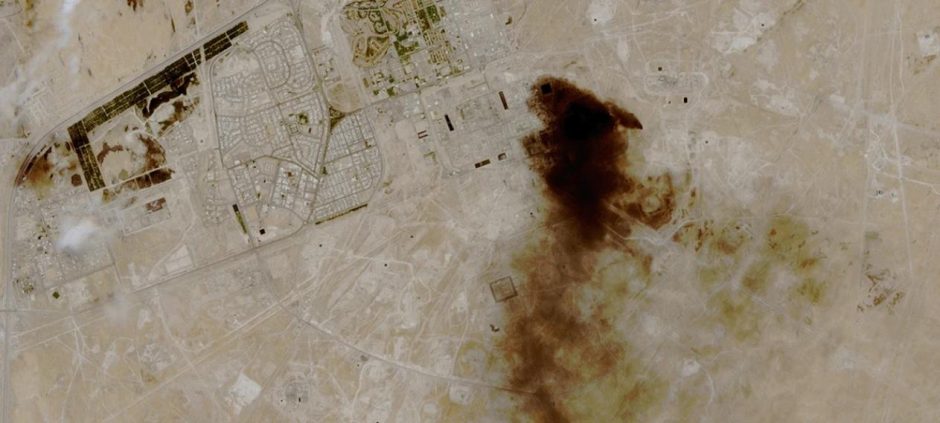
Saudi Arabia has temporarily suspended operations on its approximately 1,200-kilometre East-West oil pipeline after drones struck important sections in the Riyadh and Madina regions. The attack reportedly damaged parts of the pipeline and left civilians injured.
The East-West pipeline is one of Saudi Arabia’s most important energy routes. It allows the kingdom to transport crude oil across the Arabian Peninsula toward the Red Sea without relying entirely on oil tankers travelling through the Strait of Hormuz.
The pipeline has become even more important because shipping through the Strait of Hormuz has already been disrupted by the ongoing US-Iran conflict. The waterway is a major route for global oil transportation, and any prolonged disruption can create serious uncertainty for energy markets.
With maritime traffic through Hormuz already reduced, the temporary closure of the Saudi pipeline could place additional pressure on global oil supplies. The attack has raised concerns that further strikes against energy infrastructure could increase transportation risks and push oil prices higher.
The incident also places Iraq under renewed pressure to prevent attacks being launched from its territory. Although Baghdad has responded by removing a military commander, questions remain about how authorities will address the wider security challenge and prevent similar incidents in the future.
Regional countries have expressed concern over the attack, while Pakistan’s response highlights the growing international alarm surrounding threats to Saudi infrastructure. Islamabad’s condemnation also reflects its close ties with Riyadh and its stated interest in maintaining peace and stability in the region.
The latest strike has placed the East-West pipeline at the centre of the widening Middle East crisis. If attacks on energy facilities continue, they could further disrupt oil transportation, increase market volatility and create additional challenges for countries already facing rising fuel and shipping costs.
Also read: Pakistan Weighs Major Reduction in Petroleum Levy