Oil prices moved higher on Tuesday, October 27, 2026, after falling by around 1% earlier in the session. Hopes for diplomatic talks involving Iran eased fears of a wider disruption to Middle East oil supplies. However, renewed attacks by Iran-aligned Houthi forces on Saudi Arabia kept concerns about regional security alive.
Brent crude futures rose by 40 cents, or 0.4%, to $116.24 per barrel by 0718 GMT. US West Texas Intermediate (WTI) crude increased by 30 cents, or 0.3%, to $102.07 per barrel. Both benchmarks had declined by around 1% earlier in the session.
The price movement highlights the oil market’s sensitivity to political developments in the Middle East. Investors are watching diplomatic efforts closely, but continued attacks and uncertainty over shipping routes are limiting confidence in a lasting improvement.
Pakistan, Saudi Arabia and Turkey Hold Talks With Iran
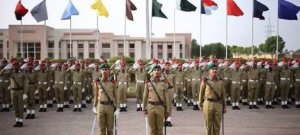
Saudi Arabia, Turkey and Pakistan held talks with Iranian officials in Tehran on Monday. The discussions focused on reducing tensions in the Middle East.
According to Iranian state media, the four countries agreed to continue discussions aimed at strengthening cooperation on peace and security. The diplomatic effort raised hopes that regional countries could help reduce the risk of a broader conflict.
Market participants viewed the possibility of progress in negotiations as a reason for some investors to take profits after oil prices had climbed sharply. However, the talks have not removed concerns about the security of energy supplies.
Brent Crude Remains Near Recent Highs
Oil prices have remained elevated following a series of attacks on tankers around the Strait of Hormuz. Brent crude surged above $117 per barrel last week, reaching its highest level since April. It also touched $117 on Monday.
The latest recovery came after an earlier decline, showing how quickly prices can change in response to developments in the region.
Analysts have warned that geopolitical uncertainty continues to influence oil trading. Even when diplomatic progress appears possible, concerns about further attacks can push prices higher again.
Houthi Attacks Add to Supply Concerns
Hopes for peace remain uncertain following renewed attacks by Iran-aligned Houthi forces on Saudi Arabia, a major oil producer. Such incidents raise concerns about the safety of energy infrastructure and shipping routes across the region.
October has also been the worst month for attacks on commercial shipping in the Strait of Hormuz and nearby waterways among the maritime security incidents tracked since 2017 by a Washington-based think tank.
The Strait of Hormuz is particularly important to the global energy market. Before the conflict began in February, around one-fifth of the world’s energy supplies passed through this narrow waterway.
Any prolonged disruption could affect oil shipments, transportation costs and the availability of energy products in international markets.
Global Oil Supply Remains Under Pressure
ANZ Research has warned that the oil market is facing pressure across several areas, including supply, logistics, inventories and refining.
Gulf crude exports fell for a fourth consecutive week, while oil flows through the Strait of Hormuz remained at around 60% of normal levels. Global distillate inventories were also nearly 5% below their five-year average.
These conditions indicate that the market remains vulnerable to further disruptions. Reduced exports and restricted shipping flows can tighten supplies, while lower inventories leave less room to absorb unexpected shortages.
What Higher Oil Prices Could Mean
If crude oil prices remain elevated, countries that rely heavily on imported energy could face higher import bills. Rising international prices can also increase pressure on fuel costs, transportation and businesses.
For Pakistan, sustained increases in global oil prices could add to the cost of importing petroleum products. The effect on domestic petrol and diesel prices would depend on international rates, the exchange rate, government taxes and the applicable pricing decisions.
For now, oil markets remain caught between hopes for diplomatic progress and fears of further conflict. Traders will continue watching negotiations involving Iran, security developments around Saudi Arabia and shipping conditions in the Strait of Hormuz for signs of where prices may move next.