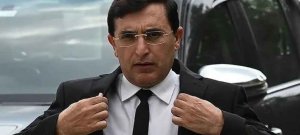
Professor Dr. Hussain Mehdi, Vice Chancellor of Benazir Bhutto Shaheed University Lyari (BBSUL), has resigned from his position, citing continued pressure and interference in administrative affairs.
Dr. Mehdi submitted his resignation to Sindh Chief Minister Syed Murad Ali Shah, who is the university’s controlling authority. He has said that he will continue performing his duties until his resignation is formally accepted.
The resignation comes amid an escalating dispute at the university involving administrative decisions, dismissed employees, protests and allegations of political interference.
Dispute Over Dismissed Employees
The controversy reportedly intensified during a Syndicate meeting where a heated exchange took place between Pakistan Peoples Party (PPP) leader and Sindh MPA Yousuf Baloch and Associate Professor Dr. Ibrahim Noorani.
The dispute was linked to the case of a dismissed university employee. According to Noorani’s video statement, Baloch brought dismissed employee Tanveer Soomro to the Syndicate meeting and sought the reinstatement of employees who had been removed over alleged misconduct and corruption. These allegations were made by Noorani and were not independently established in the available reports.
Following Noorani’s video statement, which reportedly lasted around 12 minutes, the university administration issued him a show-cause notice over his allegations concerning the MPA.
Protests at the University
The dispute has also been accompanied by protests by university employees.
A group of employees has reportedly been protesting against the registrar for several days and demanding his removal. Some protesters have alleged that the registrar has political affiliations.
The situation has added to tensions within the university administration as disagreements over personnel and administrative decisions have continued.
Dr. Mehdi’s resignation comes as the university faces questions about how administrative decisions should be handled when they involve employees, statutory bodies and outside pressure.
Disciplinary Action Against Employees
In his resignation, Dr. Mehdi referred to disciplinary action taken against more than 15 university employees over various allegations.
According to his account, some employees had faced allegations involving drug use on university premises, while others were accused of absenteeism or were classified as so-called ghost employees.
The vice chancellor maintained that disciplinary and administrative decisions should be taken through the university’s legally empowered bodies and in accordance with applicable rules and procedures.
He expressed concern that allowing employee pressure to determine administrative decisions could weaken the authority of the university’s statutory institutions.
Claims of Administrative Pressure
Dr. Mehdi said continued protests and pressure had made it increasingly difficult for him to exercise his administrative authority effectively.
According to his resignation, pressure had also emerged around the registrar’s position, creating further disruption within the institution. He argued that appointments and administrative decisions should remain within the authority of the relevant legal bodies rather than being dictated by protests or pressure from employees.
The resignation therefore highlights a broader dispute over the balance between employee demands, university governance and the authority of statutory bodies.
University Reported Progress
Despite the controversy, Dr. Mehdi said the university had made significant progress during his approximately 18 months in office.
He pointed to improvements in financial management, faculty development, academic activities, infrastructure and institutional development.
Earlier in 2026, BBSUL had announced plans to introduce several new postgraduate and health-related programmes, including MPhil and PhD programmes in different departments, as well as nursing and Doctor of Physiotherapy programmes. The university had also been working on strengthening its academic and administrative structures.
The university’s Senate also held a meeting in February 2026 after a long gap, with discussions covering academic, administrative, financial and strategic matters.
Academic Developments Under Mehdi
During Dr. Mehdi’s tenure, BBSUL also reported progress in faculty development and academic expansion.
The university had appointed professors, associate professors and lecturers to strengthen teaching and research activities. It also worked on establishing and strengthening its Syndicate and developing partnerships with other institutions and organisations.
In July 2026, Dr. Mehdi was also appointed convener of a Sindh government inquiry committee investigating a clash between student groups at the University of Karachi.
These developments came before the current dispute over university administration and his subsequent resignation.
Resignation Awaits Formal Acceptance
Dr. Mehdi has not immediately left his responsibilities following the submission of his resignation. He has stated that he will continue performing his duties until the Sindh chief minister formally accepts it.
The timing and circumstances of the resignation have drawn attention because the dispute involves university governance, employee disciplinary matters and allegations of political pressure.
The allegations surrounding the dispute remain contested, and the available reports do not establish that the individuals accused of interference committed wrongdoing.
For BBSUL, the immediate issue will be the formal decision on Dr. Mehdi’s resignation and the future leadership of the university. The developments also place renewed focus on the role of statutory university bodies in handling appointments, disciplinary proceedings and administrative decisions.
Also read: Will Mera Lyari Bring Lyari Culture And Chaudhry Aslam Legacy Alive?