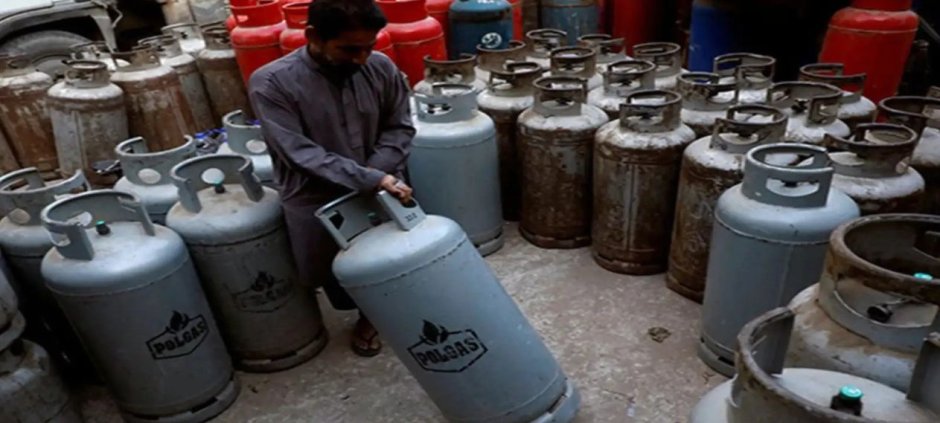
Liquefied petroleum gas (LPG) prices remain high across Pakistan, with rates reaching Rs. 600 to Rs. 650 per kilogram in some areas amid a retailers’ strike and ongoing regional tensions. Consumers are waiting for prices to fall as additional LPG supplies arrive in the country.
The high rates are adding to the financial pressure on households and businesses that rely on LPG for cooking and other daily needs. Although two ships carrying LPG from Oman have arrived, prices in several cities have yet to show significant relief.
Latest LPG Prices in Major Cities
LPG prices vary across the country, with some cities reporting higher rates than others. According to the reported market prices, Quetta has an LPG rate of Rs. 520 per kilogram, while Karachi is selling the fuel at Rs. 550 per kilogram.
In Peshawar, LPG is being sold for Rs. 570 per kilogram. The reported rate in Attock, Rawalpindi and Islamabad stands at Rs. 600 per kilogram.
Some cities have also reported prices ranging between Rs. 600 and Rs. 650 per kilogram, highlighting the uneven impact of the current market situation.
These figures reflect reported local market rates and may vary between sellers and locations. Consumers are advised to confirm the price with local suppliers before purchasing LPG.
Two Ships From Oman Raise Hopes of Price Relief
The arrival of two ships carrying LPG from Oman has raised hopes that additional supplies could help ease the pressure on the domestic market.
An increase in available supplies may help improve market conditions, but the arrival of shipments does not automatically lead to an immediate reduction in retail prices. Distribution, transportation costs and local market conditions can also affect the rates paid by consumers.
For now, prices remain elevated in several parts of Pakistan. Consumers are waiting to see whether the additional supplies will translate into lower rates in the coming days.
No confirmed nationwide price reduction has been established in the information provided.
Iran Says Border With Pakistan Remains Open
Meanwhile, Iran has clarified that its border with Pakistan remains open and that exports of Iranian goods, including LPG, are continuing without restrictions.
Iranian Ambassador to Pakistan Reza Amiri Moghadam addressed reports about a possible border closure in a statement on X. He said Iran’s borders with neighbouring countries remained open.
The ambassador also stated that closing the border with Pakistan would not make sense under the current circumstances and would go against the interests of both countries.
The clarification comes amid concerns about regional tensions and their potential impact on trade and energy supplies between the two neighbouring countries.
What Could Happen to LPG Prices Next?
Pakistan’s LPG market continues to face pressure as consumers deal with high prices and await the impact of additional supplies. The arrival of shipments from Oman and Iran’s statement about continued exports could help ease concerns over supply availability.
However, lower prices will depend on how supplies reach local markets and whether sellers pass on any reduction in costs to consumers.
The situation remains particularly important for households that depend on LPG where piped natural gas is unavailable or unreliable. Small businesses and food outlets that use LPG may also face higher operating costs while prices remain elevated.
Consumers should follow official announcements and local market updates for changes in LPG rates. Until a confirmed reduction is announced, the reported prices suggest that many households will continue to face high costs for the fuel.