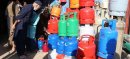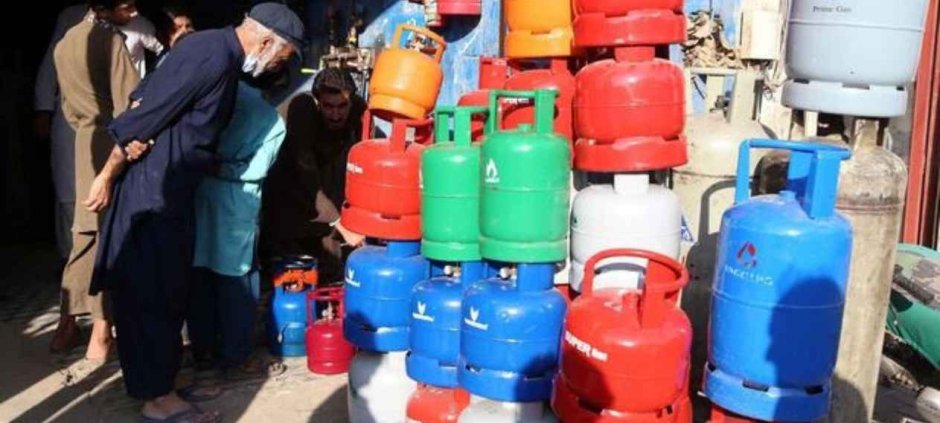
The price of household LPG cylinders in Pakistan has reached an all-time high. An 11.67-kilogram cylinder now costs around Rs. 6,498. This represents an increase of nearly 80 percent since the beginning of 2026.
According to the latest available data from November 5, LPG prices have increased significantly across the country. The sharp rise has created additional financial pressure on households. Many families depend on LPG for everyday cooking and heating needs.
The situation has become particularly challenging for households without access to piped natural gas. Consumers already facing irregular gas supplies are also struggling with higher fuel costs. As a result, many families have limited options for meeting their daily energy requirements.
One major reason behind the supply shortage is the disruption of LPG imports from Iran. Pakistan experienced difficulties in importing the fuel after key border crossings with Iran closed in October. Iran supplies a significant portion of Pakistan’s imported LPG.
These disruptions have reduced available supplies in the domestic market. Limited availability has contributed to higher prices in different parts of the country.
In Punjab and Khyber Pakhtunkhwa, LPG has recently been selling for as much as Rs. 500 per kilogram. Prices in some hilly areas have reportedly reached Rs. 600 per kilogram. These rates are considerably higher than the officially notified prices.
The difference between government-approved rates and actual market prices has also raised concerns. The Oil and Gas Regulatory Authority (OGRA) announced the official LPG price for November.
According to OGRA, the notified rate stands at Rs. 294.07 per kilogram. The official price of an 11.8-kilogram domestic cylinder is Rs. 3,470.09. However, consumers are reportedly paying much higher amounts in retail markets.
This gap has made purchasing cooking fuel increasingly expensive for ordinary households. Consumers are facing difficulties as retailers charge significantly above the official rates.
The situation could become more challenging with winter approaching. Demand for cooking and heating fuel usually increases during colder months. This may create additional pressure on domestic LPG supplies.
If supply disruptions continue, household budgets could face further strain. Families relying on LPG may have to spend more to meet their basic energy needs.
In other related news also read Gas Shortage Drives LPG Prices Higher Across Pakistan
The record increase highlights growing concerns about fuel affordability and supply management in Pakistan. Consumers will be watching market prices closely as winter demand increases.