Iranian Foreign Minister Abbas Araghchi met US Special Envoy Steve Witkoff on the sidelines of the 81st United Nations General Assembly in New York, as Washington and Tehran resumed high-level diplomatic contacts amid the ongoing conflict.
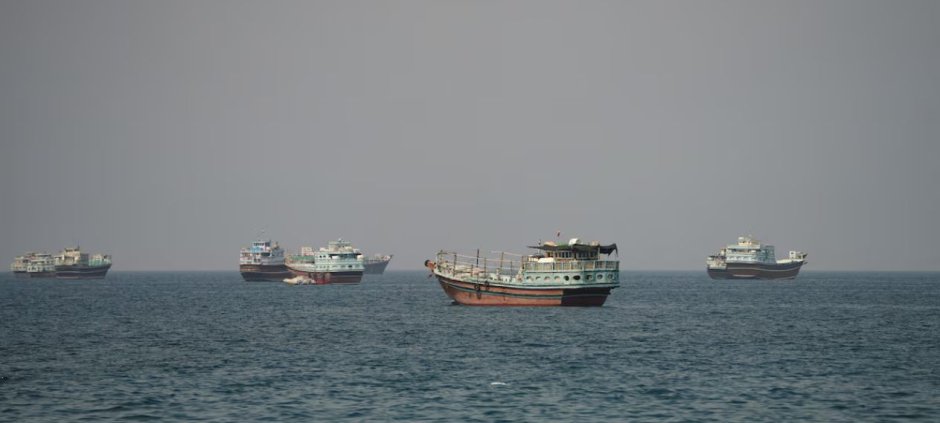
The discussions focused heavily on the Strait of Hormuz, a strategically important waterway for global energy shipments. Iranian state media reported that Araghchi conveyed Tehran’s conditions for reopening the strait during the talks.
According to Iranian state media, Tehran has set three main conditions. These include the immediate lifting of the US naval blockade, the release of frozen Iranian financial assets and an end to military operations across what Iran describes as its “resistance” fronts.
The meeting lasted around three hours, according to US President Donald Trump. He described the discussions as productive and said further talks were expected. US envoy Steve Witkoff also said the discussions conducted through mediators were constructive and promising.
The nature of the engagement was described somewhat differently by the two sides. US officials said mediators moved between the American and Iranian delegations, while Iranian state media confirmed a meeting between Araghchi and Witkoff. The accounts indicate that diplomatic contacts were taking place but differed on the format of the discussions.
A senior Iranian official separately told Reuters that Tehran was prepared to reopen the Strait of Hormuz within seven days if Washington reduced military pressure and lifted its blockade on Iranian ports. Iran had also submitted a proposal through mediators on September 16 seeking a path toward ending hostilities.
The Strait of Hormuz is a major global energy route, making its security important for oil and gas markets. Any sustained disruption to shipping through the waterway can affect energy supplies and international prices.
The latest diplomatic contacts took place as leaders and officials gathered in New York for the UN General Assembly. Regional countries have also been involved in efforts to reduce tensions and maintain freedom of navigation through the strait.
Qatar has been involved in mediation efforts between Washington and Tehran, while Oman has also played a role in maritime diplomacy. The wider discussions include proposals for regional security arrangements involving Iran and Gulf states.
The latest talks do not represent a final agreement between the United States and Iran. Tehran has linked reopening the waterway to specific conditions, while Washington has continued to discuss a broader diplomatic settlement.
With further discussions expected, the Strait of Hormuz remains a central issue in negotiations over the conflict and regional security.
Also read: Iran Considers Joining Pakistan-Saudi Defence Pact