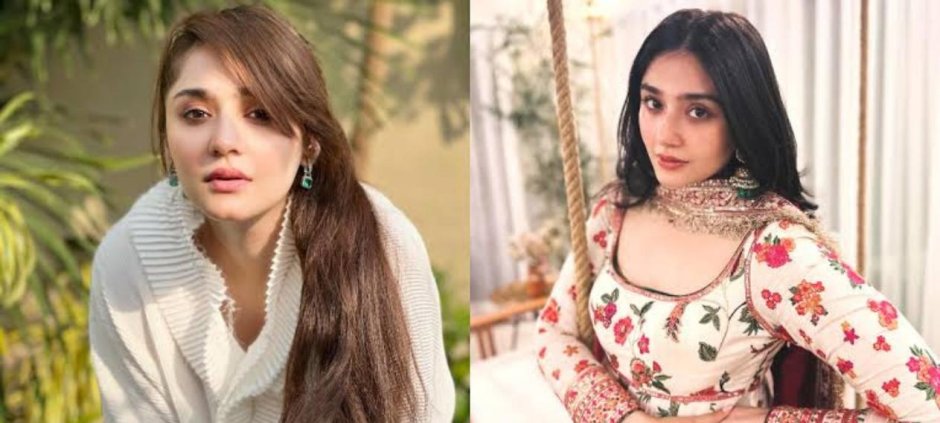
Pakistani actress Durefishan Saleem has spoken out against double standards surrounding women’s clothing choices, saying that every woman should have the freedom to decide what makes her feel comfortable without facing public judgment.
The actress shared her views following criticism of her character in the drama Dar-e-Nijaat, where a recent scene sparked a wider discussion about modesty, personal preferences and women’s right to choose how they dress.
In a lengthy Instagram post, Durefishan addressed the reactions and explained that women should not be expected to justify their clothing choices, whether they prefer sleeveless outfits or more covered styles.
Her comments have brought renewed attention to the debate over how society views women’s personal decisions and why different choices often attract criticism.
Scene in Dar-e-Nijaat Sparks Discussion
The controversy began after a scene featuring Durefishan’s character, Zaryab Habib, in Dar-e-Nijaat.
In the scene, Zaryab hesitates to wear a sleeveless outfit at a family event because she feels uncomfortable with that particular style.
The moment prompted mixed reactions from viewers. Some questioned why a change in dressing preferences was being presented as part of the character’s personal transformation, while others supported her decision to choose an outfit that suited her comfort level.
The discussion soon moved beyond the drama itself, with viewers debating whether choosing modest clothing should be treated differently from choosing more revealing or less covered outfits.
The reactions highlighted the different expectations placed on women when it comes to personal appearance and clothing.
Durefishan Says Women Should Not Have to Explain Their Choices
Responding to the criticism, Durefishan emphasised that clothing preferences are personal and should not become a reason for public judgment.
She clarified that she personally wears sleeveless clothes and feels comfortable in them. However, she also has certain styles that she would prefer not to wear.
Through this example, the actress explained that individual comfort varies from person to person. A woman may feel confident in one type of clothing while choosing to avoid another.
According to her position, neither preference should invite unnecessary criticism or require an explanation.
She stressed that every woman has her own understanding of modesty and should be allowed to make decisions according to her comfort and personal values.
Debate Highlights Double Standards Around Modesty
The discussion surrounding the drama has also raised questions about the way society interprets modesty.
Women who prefer more covered clothing can sometimes face criticism or assumptions about their choices. Similarly, women who wear sleeveless or less covered outfits may also become targets of public comments.
Durefishan’s response challenges this approach by arguing that personal clothing preferences should be respected regardless of the direction of an individual’s choice.
The debate is not simply about one outfit or a particular scene. It reflects broader conversations about personal freedom, social expectations and the pressure women often face when making decisions about their appearance.
The actress’s comments underline the importance of applying the same standard of respect to women with different preferences.
Actress Defends Zaryab’s Character Development
Durefishan also defended the way her character has been written in Dar-e-Nijaat.
She explained that Zaryab’s journey has included imperfections, contradictions and personal changes, suggesting that the character should be understood as a developing individual rather than judged through a single scene.
The moment involving the sleeveless outfit was part of a broader portrayal of Zaryab’s personality and changing preferences.
Characters in television dramas often experience personal growth, reconsider their decisions and discover what makes them comfortable. Durefishan’s response suggests that such changes should be viewed within the wider context of the story.
Rather than treating the scene as a statement about how women should dress, the actress defended the idea that her character is entitled to her own preferences.
Durefishan’s Message Receives Attention
Durefishan Saleem’s remarks have added another perspective to an ongoing conversation about women’s clothing and modesty.
Her central message is that women should not be judged simply because their clothing choices differ from someone else’s expectations.
Whether a woman prefers sleeveless outfits or chooses more covered clothing, her personal comfort and preferences deserve respect.
The debate surrounding Dar-e-Nijaat has therefore extended beyond entertainment, drawing attention to the importance of understanding individual choices without imposing unnecessary social judgments.
Also read: Durefishan’s Journey From Drama Sets To Social Media Fame