Senior officials from Pakistan, Saudi Arabia and Türkiye are scheduled to meet Iranian officials in Tehran on Monday, October 26, to discuss regional security and coordination amid escalating tensions across the Middle East.
According to a Reuters report published on October 26, the delegation will include Pakistan’s Chief of Army Staff and Chief of Defence Forces, Field Marshal Asim Munir, Saudi Defence Minister Prince Khalid bin Salman and Türkiye’s intelligence chief, Ibrahim Kalin.
Two people familiar with the matter confirmed the planned meeting to Reuters, speaking on condition of anonymity. Iran’s deputy secretary of the Supreme National Security Council, Ali Bagheri Kani, also told Iranian state television that the officials would visit Tehran for consultations on regional security.
The talks come as Saudi Arabia faces continuing missile and drone attacks attributed to Yemen’s Iran-aligned Houthi movement, while the wider conflict involving Iran, the United States and Israel continues to threaten regional stability. Source: Reuters, republished by Al-Monitor
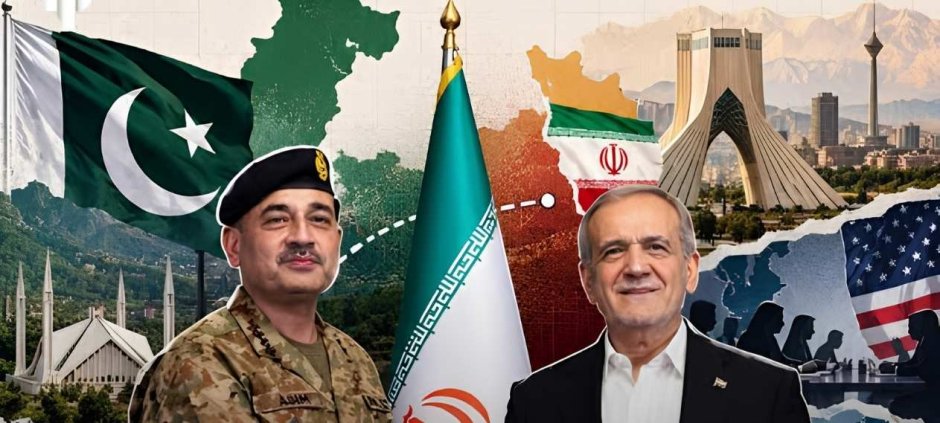
Asim Munir to Represent Pakistan in Tehran
Field Marshal Asim Munir will represent Pakistan at the planned consultations with Iranian officials.
Pakistan has played an important intermediary role in diplomatic contacts between Washington and Tehran, seeking to facilitate dialogue amid the escalating confrontation.
Munir visited Tehran during the previous week, where he met Iranian President Masoud Pezeshkian and other senior Iranian officials. During that visit, Iranian officials reportedly conveyed that Tehran would not enter negotiations with Washington until its demands were met, according to Iranian media cited in the Reuters report.
The planned meeting involving representatives from Pakistan, Saudi Arabia and Türkiye would broaden the diplomatic engagement beyond Munir’s earlier visit.
For Islamabad, participation in the discussions provides an opportunity to support regional coordination while maintaining its diplomatic engagement with Iran and its security partnerships with Saudi Arabia and Türkiye.
Pakistan’s role as an intermediary is particularly significant because continued regional hostilities could affect security, trade, energy markets and relations among neighbouring countries.
However, the specific proposals or negotiating positions the Pakistani delegation will present during the meeting have not been publicly disclosed.
Saudi Arabia and Türkiye to Join the Talks
Saudi Arabia will be represented by Defence Minister Prince Khalid bin Salman, while Türkiye will send intelligence chief Ibrahim Kalin, according to the reports.
The meeting is expected to involve consultations with Iran’s Supreme National Security Council on regional security and coordination.
It would mark the first high-level engagement between Iran and representatives of all three Makkah Pact countries since Saudi Arabia came under escalating attacks from Yemen’s Iran-aligned Houthis, according to Reuters.
The planned discussions are taking place against a complicated regional security backdrop. Saudi authorities reported intercepting another wave of missiles and drones on Sunday, October 25, as fighting involving the Houthis continued.
Saudi Arabia has strengthened security coordination with Pakistan and Türkiye through the Makkah Joint Defence Agreement, signed in August 2026. The agreement establishes a collective-defence framework under which an armed attack against one member is treated as an attack against all, according to its text reviewed by Reuters.
Although the agreement concerns mutual defence, the planned talks with Iran introduce a separate diplomatic channel through which the countries can discuss regional developments.
The outcomes of the meeting remain uncertain, and no agreement resulting from the planned consultations had been announced in the reports available at the time.
What Is the Makkah Joint Defence Agreement?
Pakistan, Saudi Arabia and Türkiye signed the Makkah Joint Defence Agreement in August 2026 to strengthen security cooperation among the three countries.
Under the agreement, the members commit to treating an armed attack against one participating country as an attack against all. Its provisions also require the parties to use necessary means to address threats to one another’s territorial integrity, sovereignty and internationally recognised borders.
The agreement resembles other collective-defence arrangements in its basic principle of mutual assistance, although its precise implementation depends on its own provisions and the decisions taken by its members.
The three countries held an emergency meeting of their strategic, political and defence committee in Riyadh on October 5, 2026, following security developments affecting Saudi Arabia.
According to the joint statement issued by Pakistan’s Foreign Office, the countries discussed threats facing the kingdom and institutional arrangements for strengthening the alliance. The meeting also appointed retired Pakistani Lieutenant General Nauman Mahmood as the alliance’s first secretary-general for a three-year term. Source: Pakistan Foreign Office
The agreement has since moved into its implementation phase. Pakistan approved the pact during the week preceding the planned Tehran talks, while Türkiye’s parliamentary ratification process remained underway, according to Reuters.
Saudi Arabia Faces Continued Security Pressure
The planned consultations come as Saudi Arabia faces continuing attacks involving missiles and drones launched amid the wider regional confrontation.
The Houthis, based in Yemen and aligned with Iran, have become an increasingly significant security concern for Saudi Arabia during the latest escalation.
Saudi forces intercepted another wave of missiles and drones on Sunday, October 25, according to the Reuters report. The continuing attacks have increased the importance of security coordination between Riyadh and its regional partners.
Earlier in October, the Makkah Pact countries held an emergency meeting in Riyadh and agreed to ensure the rapid deployment of military forces and capabilities in Saudi Arabia.
The measures reflect growing concern among the three countries about threats to Saudi territory and the wider consequences of the regional conflict.
At the same time, the planned Tehran meeting indicates that security coordination among the pact members can take place alongside diplomatic engagement with Iran.
The combination of defence cooperation and diplomatic contact could provide opportunities to discuss regional risks, although the talks alone do not establish that tensions will ease.
Iran, the United States and Pakistan’s Mediation Role
The planned meeting also comes after previous diplomatic efforts aimed at reducing hostilities between Iran and the United States failed to produce a lasting settlement.
Pakistan had helped facilitate an interim peace agreement in June 2026, according to Reuters. However, the arrangement unravelled after fighting between Iran and the United States resumed weeks later.
The latest developments have complicated diplomatic efforts and increased the importance of communication between regional governments.
Iranian officials have maintained that Tehran will not negotiate with Washington until its demands are addressed. The position was reportedly communicated during Munir’s previous visit to Tehran.
The upcoming consultations with Saudi and Turkish representatives could allow the participating countries to exchange views on regional security, but Reuters has not reported a confirmed agenda for negotiations between Iran and the United States at this meeting.
Pakistan’s involvement places it at the intersection of its defence commitments with Saudi Arabia and Türkiye and its diplomatic engagement with Iran.
What Happens Next?
The planned Tehran meeting brings together senior representatives of Pakistan, Saudi Arabia and Türkiye at a time of heightened regional insecurity.
Field Marshal Asim Munir, Prince Khalid bin Salman and Ibrahim Kalin are expected to consult Iranian officials on regional coordination and security through Iran’s Supreme National Security Council.
The meeting follows Saudi Arabia’s reported interception of missiles and drones, the emergency discussions held by the Makkah Pact members in Riyadh and Pakistan’s recent engagement with Iranian leaders.
The immediate focus will be on the discussions themselves and whether the participating countries announce any joint steps following the consultations.
No confirmed outcomes or new agreements had been reported before the meeting. Any assessment of its impact will therefore depend on subsequent statements and developments.
For Pakistan, the talks represent another opportunity to engage diplomatically with Iran while maintaining its security partnership with Saudi Arabia and Türkiye. For the wider region, the meeting could provide an important channel for communication during a period of continuing confrontation.